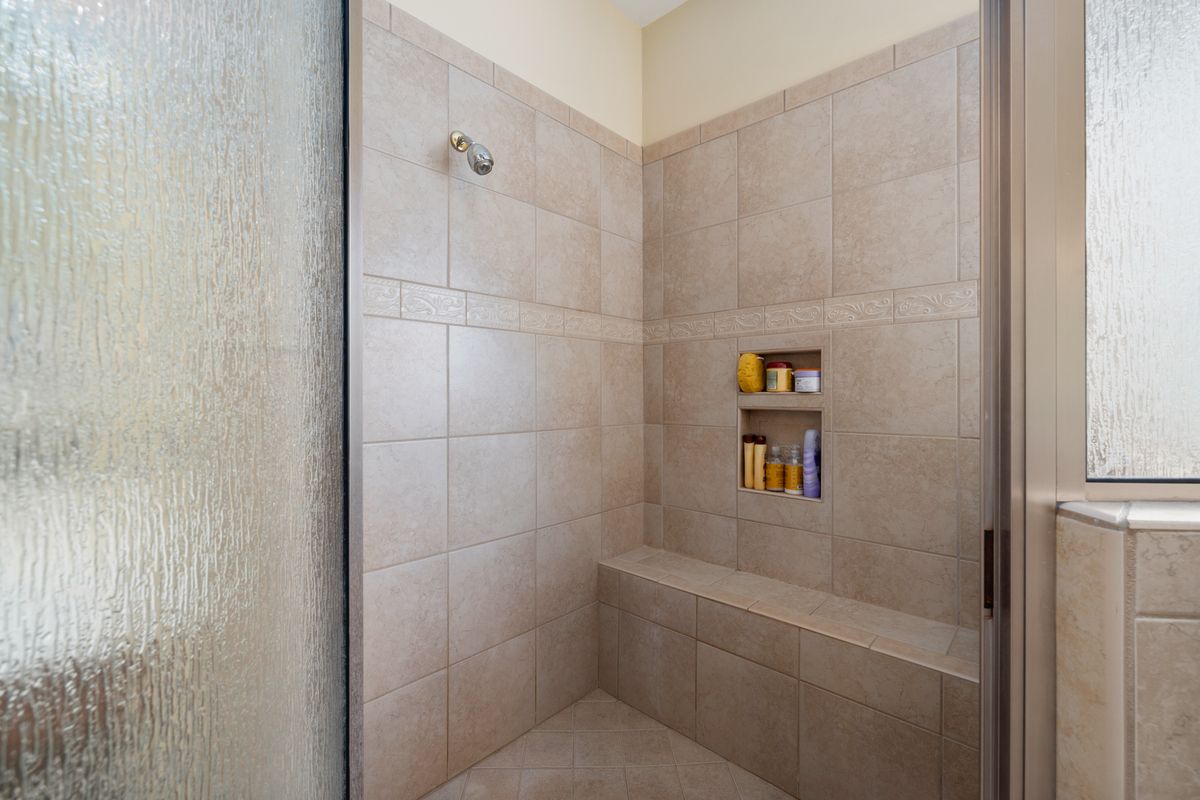
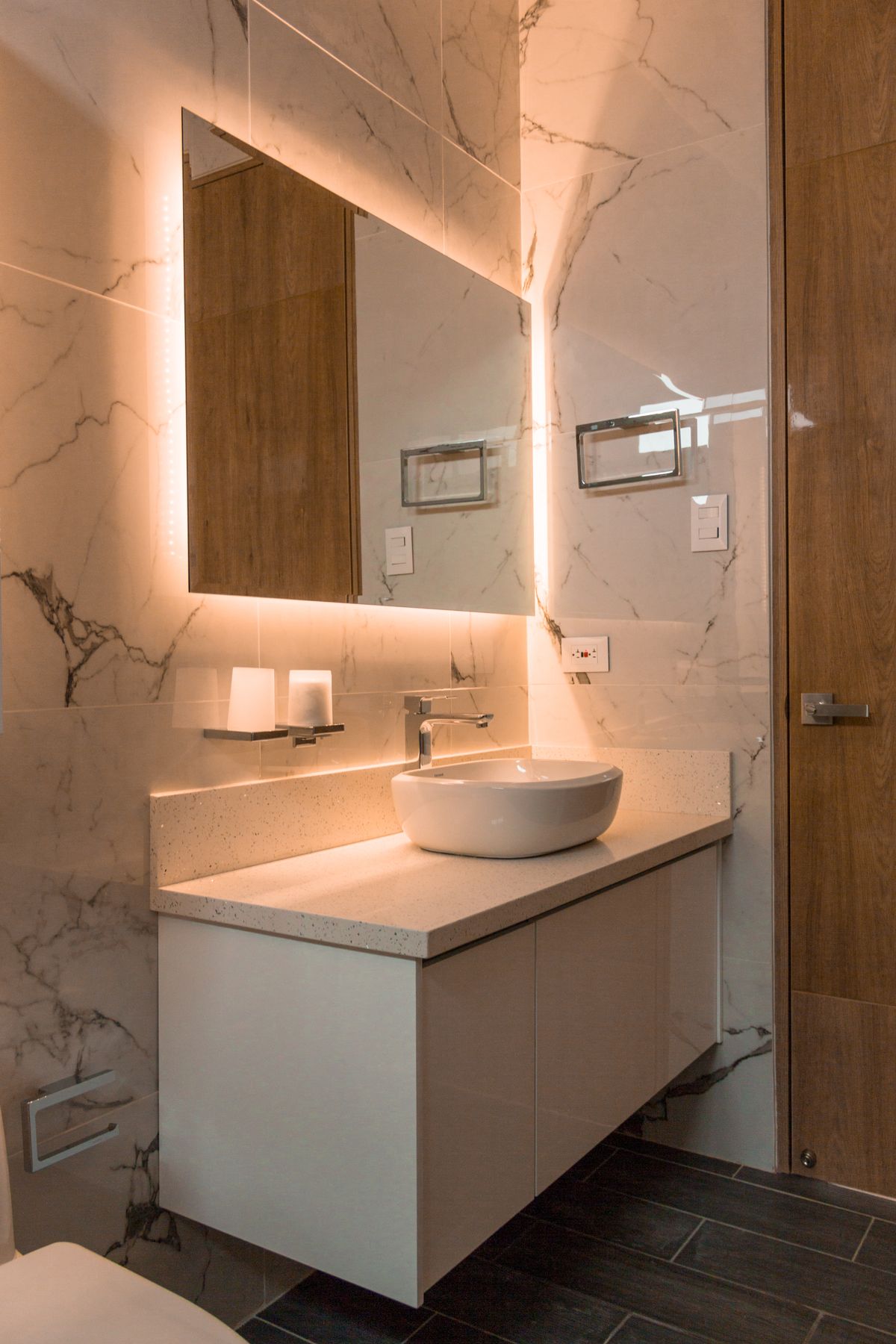
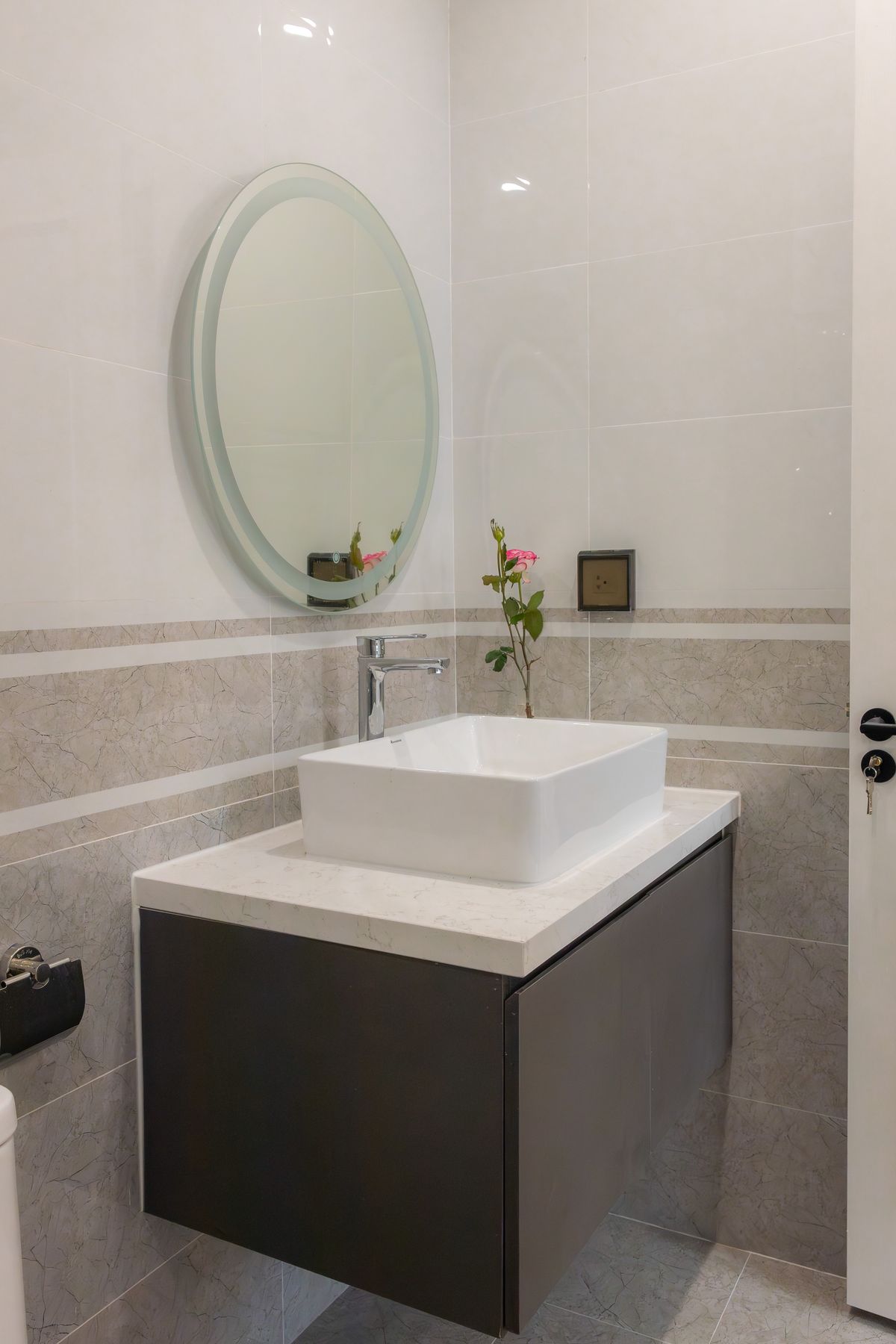
Every older Bay Area home has that one bathroom — the tile from the fifties, the single dim light, the tiny window, the vanity that's seen better decades. Making it over isn't the same as remodeling a new build. An old house comes with its own rules: pieces worth saving, quirks to design around, and surprises behind the walls. Here's how a dated old bathroom actually goes from outdated to outstanding — the decisions that matter, in the order they come up.
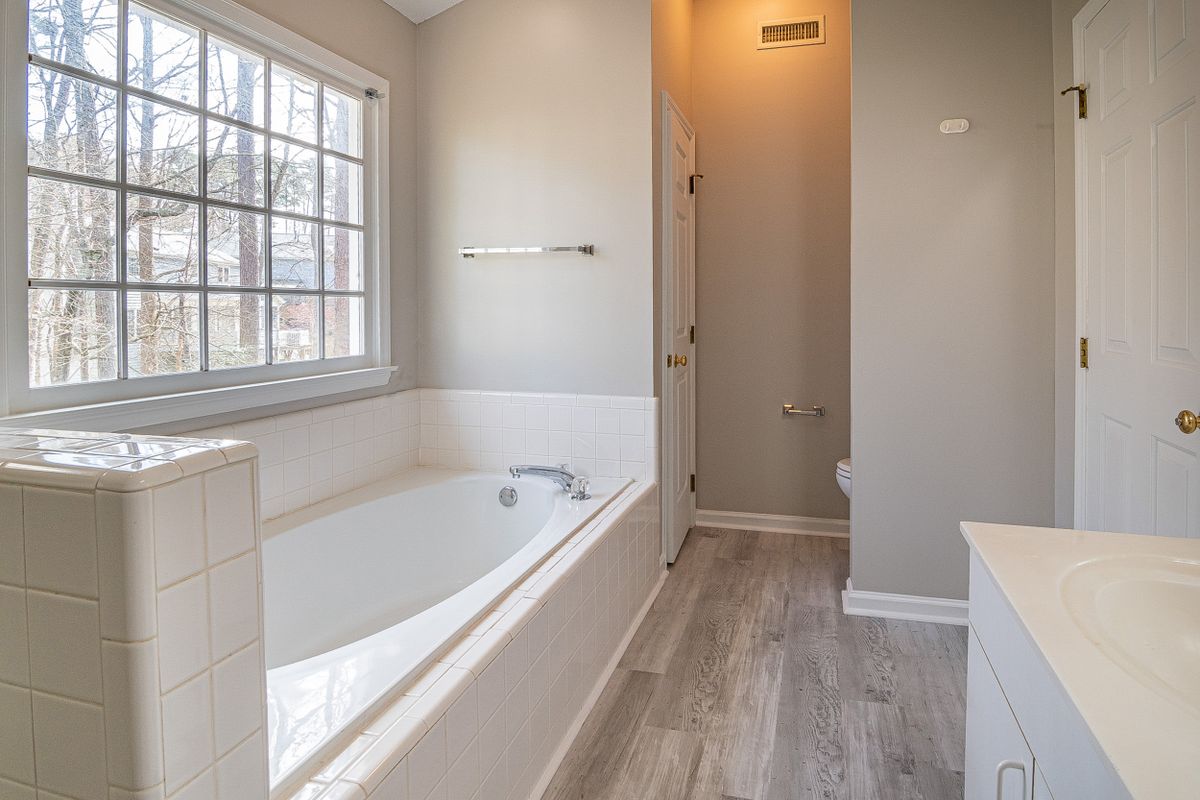
Before you tear anything out, walk into the room and ask what has soul. Older homes are full of details you simply can't buy new: a cast-iron or clawfoot tub that just needs re-glazing, a wavy-glass window, solid plaster walls, a bit of original trim, even old hex or penny floor tile that's still in good shape. Those are keepers. Then be honest about what's dragging the room down — the dated color tile, the cramped layout, the water-stained vanity. A great makeover is really a series of keep-or-replace calls, and getting them right is what separates a bathroom that belongs in the house from one that looks dropped in from a builder catalog.
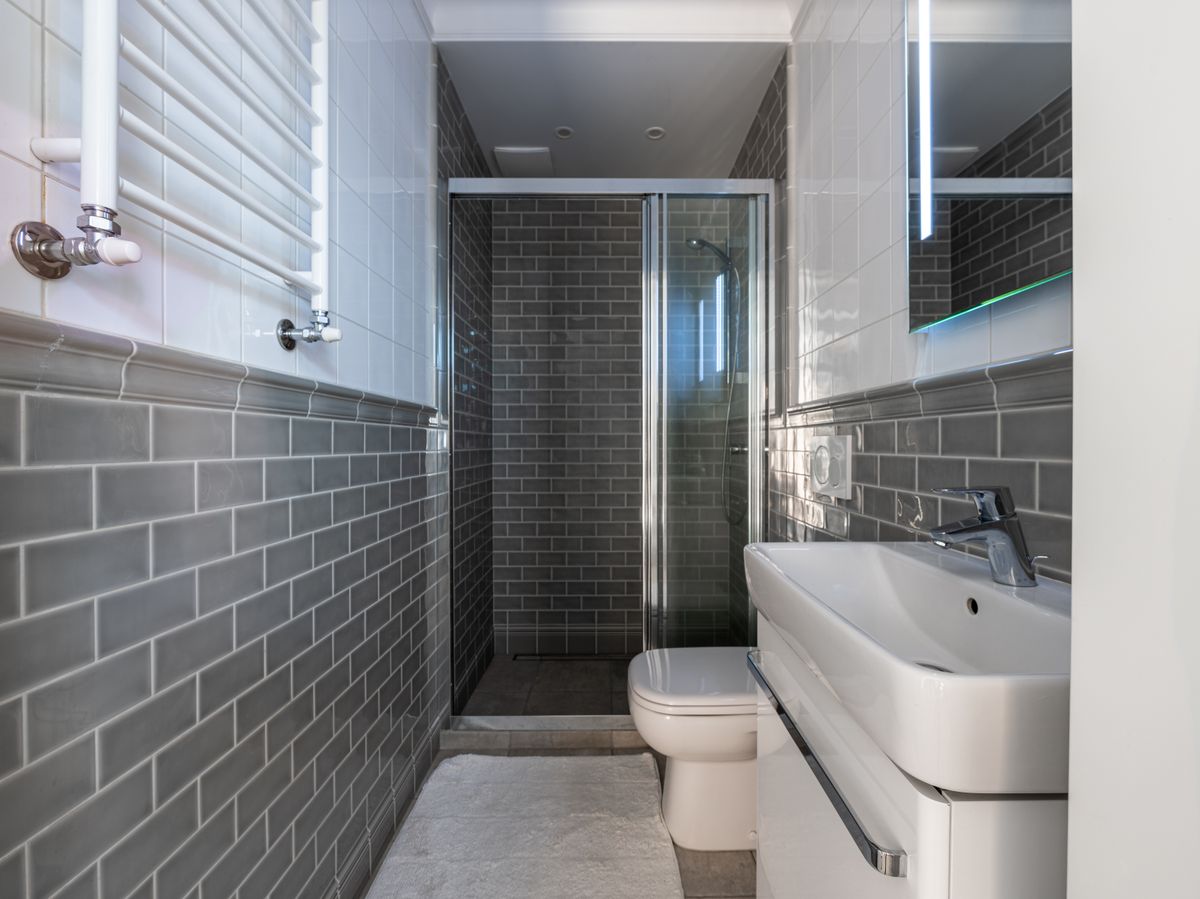
Old bathrooms were planned for a different era, and it shows: a door that swings straight into the toilet, a sink jammed in a corner, a tub eating half the floor, and nowhere to hang a towel. You don't always need more square footage — you need a smarter plan for the square footage you have. Our small bathroom layout guide covers the clearances any new plan has to hit and three ways a 5×8 can be arranged. Reversing a door swing or switching to a pocket door can free up a surprising amount of usable space. Nudging the sink over a few inches, borrowing a shallow bump-out from an adjacent closet, or simply rethinking where each fixture lands can turn an awkward room into one that finally flows. It's the least glamorous part of a makeover and often the most transformative.
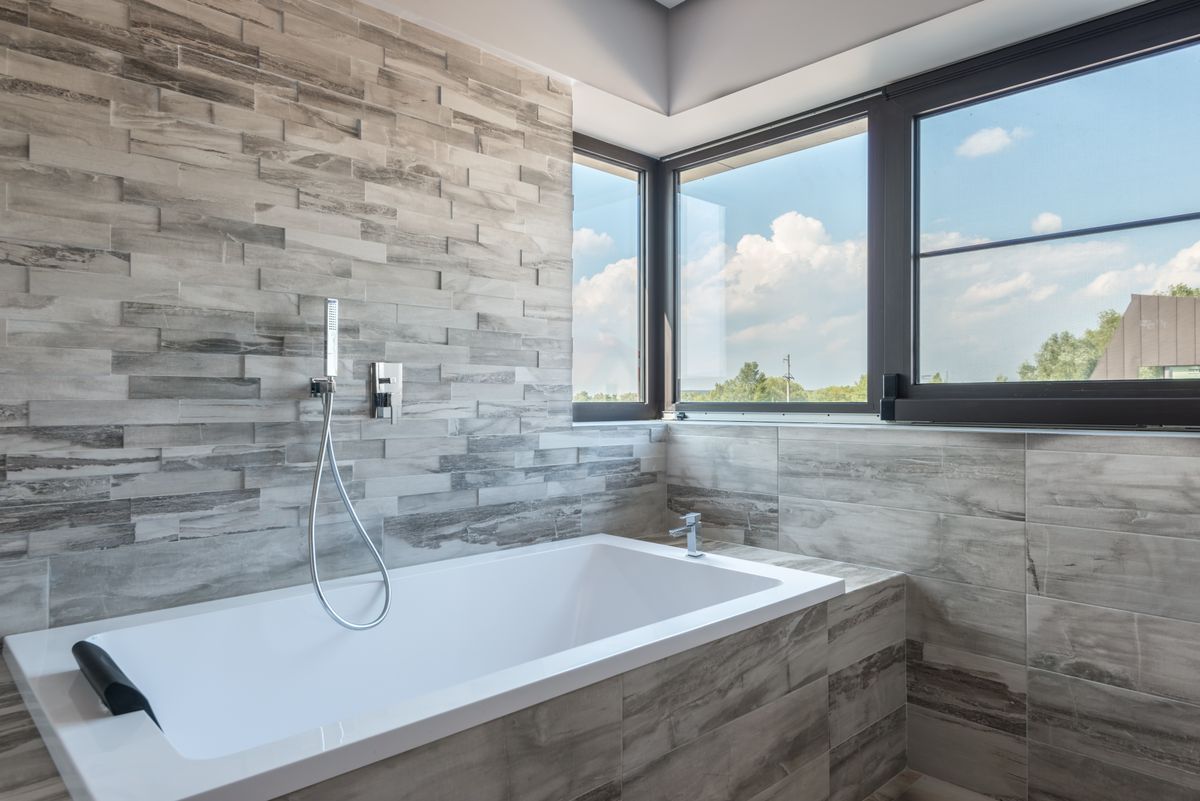
Older bathrooms almost always feel dim — one small window, one tired ceiling fixture, and dark tile soaking up what little light there is. Fixing that changes how the whole room feels. Where we can, we lean on natural light: keeping or enlarging the existing window, adding obscured glass for privacy, or bringing daylight into an interior bathroom with a solar tube. Then we layer the artificial light the way the original never did — bright, shadow-free light at the mirror where you actually need it, plus a soft overhead for the room. Add lighter tile and grout, and a space that always felt like a cave suddenly feels open and clean.
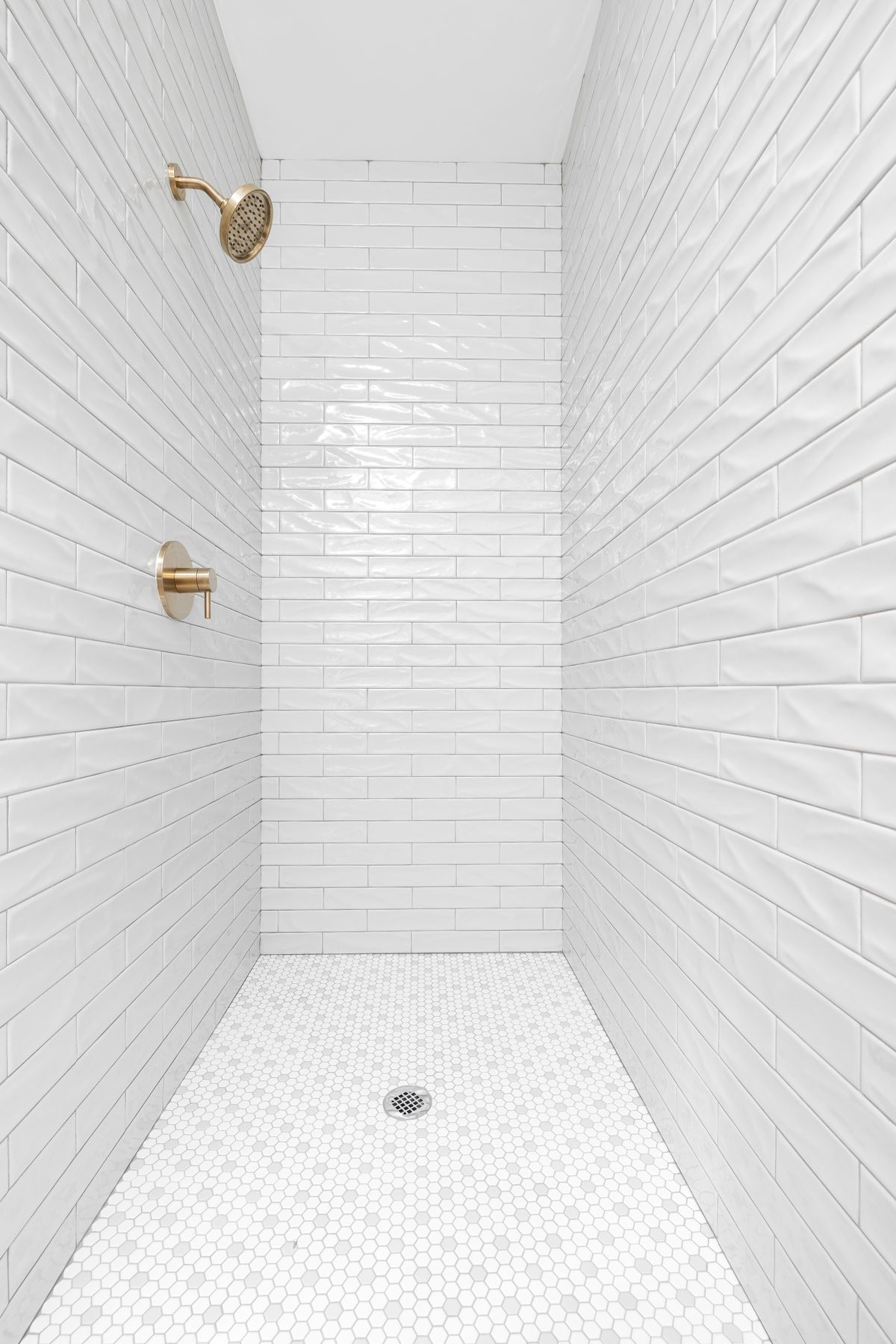
The difference between a makeover that looks intentional and one that looks off is whether it respects the age of the house. A 1920s Craftsman, a 1950s ranch, and a Victorian each have their own visual language, and your finishes should nod to it. Classic subway tile, a hex or basketweave floor, a furniture-style vanity, and simple, timeless fixtures all read as though they could have always been there — just cleaner and better made. You're not building a museum; you're letting the new work rhyme with the old house instead of arguing with it. That's the quiet trick that makes people say a bathroom looks 'right' without knowing why.
Here's what makes an old-home makeover genuinely different: the walls keep secrets, and opening them is your one good chance to deal with them. Original galvanized supply pipes that have been throttling your water pressure for decades, old ungrounded wiring, and — the one nobody expects — an exterior wall with no insulation, which is exactly why that bathroom is freezing every winter morning. None of this shows up in the finished photos, but handling it while the room is already open is what turns a pretty remodel into one that actually feels good to live with. It's the invisible half of going from outdated to outstanding.
Once the big moves are done, the finishing details are what tie an old bathroom's new look together. A vanity scaled to the actual room so it doesn't crowd the door. A medicine cabinet recessed into the wall for storage that never clutters the counter. A mirror and light chosen as a pair. Hardware in a finish that suits the home — unlacquered brass that develops a warm patina over time feels right at home in an older house. These are small choices, but they're the ones you see and touch every day, and getting them right is what makes the whole room feel considered instead of merely new.
A great older-home bathroom makeover isn't about erasing the past — it's about editing it. Keep the pieces with real character, fix the layout the house was stuck with, pour light into a room that was built dark, match the new work to the home's era, and quietly deal with what's behind the walls. Do those things, and a bathroom that felt dated for decades becomes one of the best rooms in the house — modern and comfortable, but unmistakably part of an older Bay Area home.
One last detail that decides how the finished room reads: the paint. Older walls and steam are a demanding combination, and our interior paint sheen guide covers what to use on a bathroom wall that has some history behind it.
If the tub is structurally sound, re-glazing or refinishing an original cast-iron or clawfoot tub is often worth it — they're heavy, beautifully made, and full of character you can't buy new. If it's cracked, badly rusted, or the wrong fit for your new layout, replacing it makes more sense. It's one of the first keep-or-replace decisions we help older-home owners work through.
Usually yes, and often without adding square footage. Reversing a door swing or switching to a pocket door, shifting a fixture a few inches, or borrowing a little space from an adjacent closet can dramatically improve how an old bathroom flows. Rethinking the layout is frequently the single most transformative part of a makeover.
Start with natural light — keeping or enlarging a window, or adding a solar tube to an interior bathroom. Then layer the artificial lighting the original never had: bright, shadow-free light at the mirror plus a soft overhead. Lighter tile, grout, and paint finish the job, and a room that always felt dim starts to feel open.
Match the finishes to the home's era. Classic choices like subway or hex tile, a furniture-style vanity, and simple timeless fixtures look like they could have always been there. The goal is for the new work to rhyme with the old house rather than fight it — that's what makes a bathroom feel right in a vintage home.
Older bathrooms on exterior walls were often built with little or no insulation, which is why they feel freezing in winter. When the walls are open during a makeover, it's the ideal time to add insulation — and, if you like, radiant warmth underfoot. It's an easy fix while the room is apart and nearly impossible to do well afterward.
Anything with real character and life left in it: a solid cast-iron tub, a wavy-glass or well-proportioned window, original trim, and floor tile that's still in good shape. Keeping even one or two of these anchors the makeover to the home's story, so the finished bathroom feels like a respectful update rather than a gut job.