If you're planning a kitchen remodel in the Bay Area, it helps to know where design is headed before you commit to finishes that could feel dated in a few years. The kitchen design trends taking over in 2026 are warmer, more personal, and more functional than the cool, all-white kitchens of the past decade. Here are eight kitchen design trends Bay Area homeowners are asking for right now — and how each one plays out in a real San Jose or Peninsula remodel.
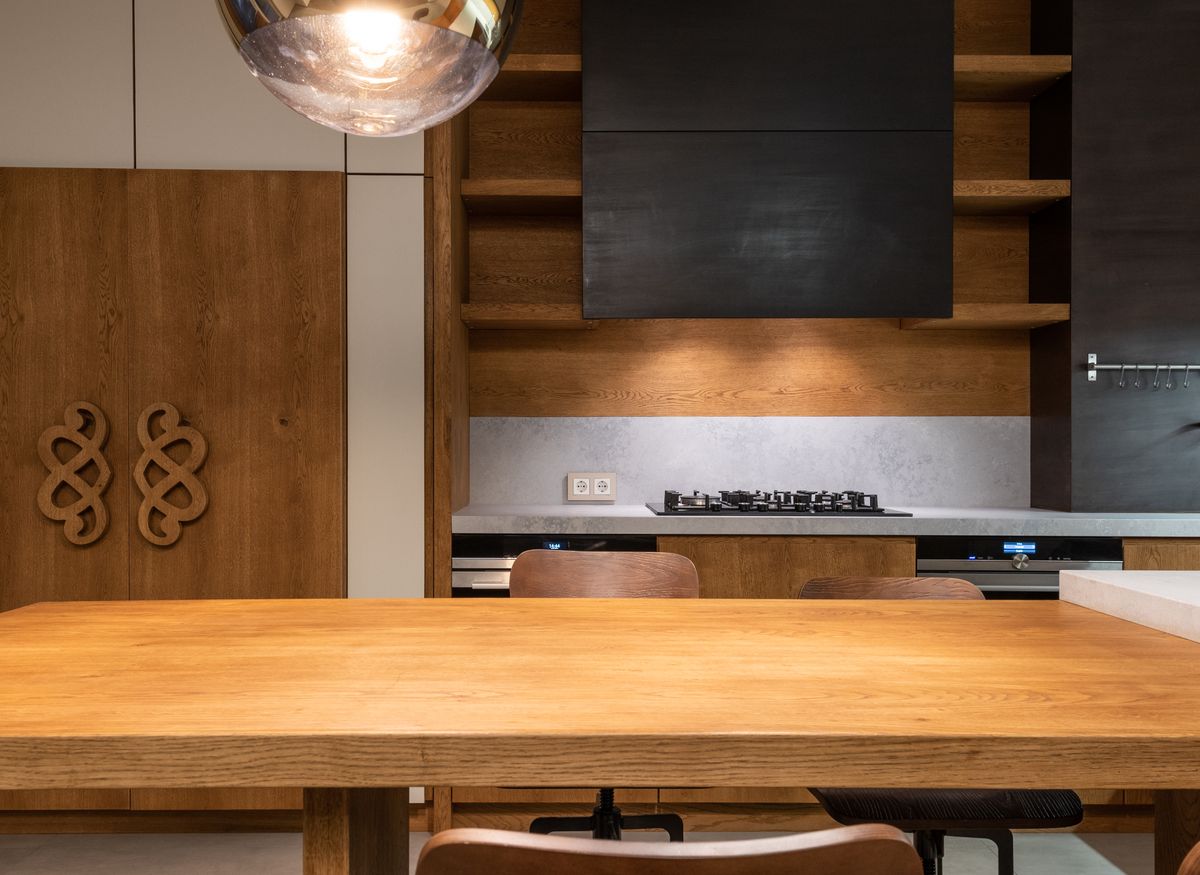
The biggest shift in 2026 is away from stark white-on-white toward warm, grounded tones — soft greens, warm taupes, clay, and natural wood. These palettes feel calmer and more timeless, and they hide everyday wear better than bright white. In Bay Area homes with lots of natural light, warm neutrals keep a kitchen from feeling cold or clinical. If you love white, the move is to pair it with a warm wood island rather than going all-white.
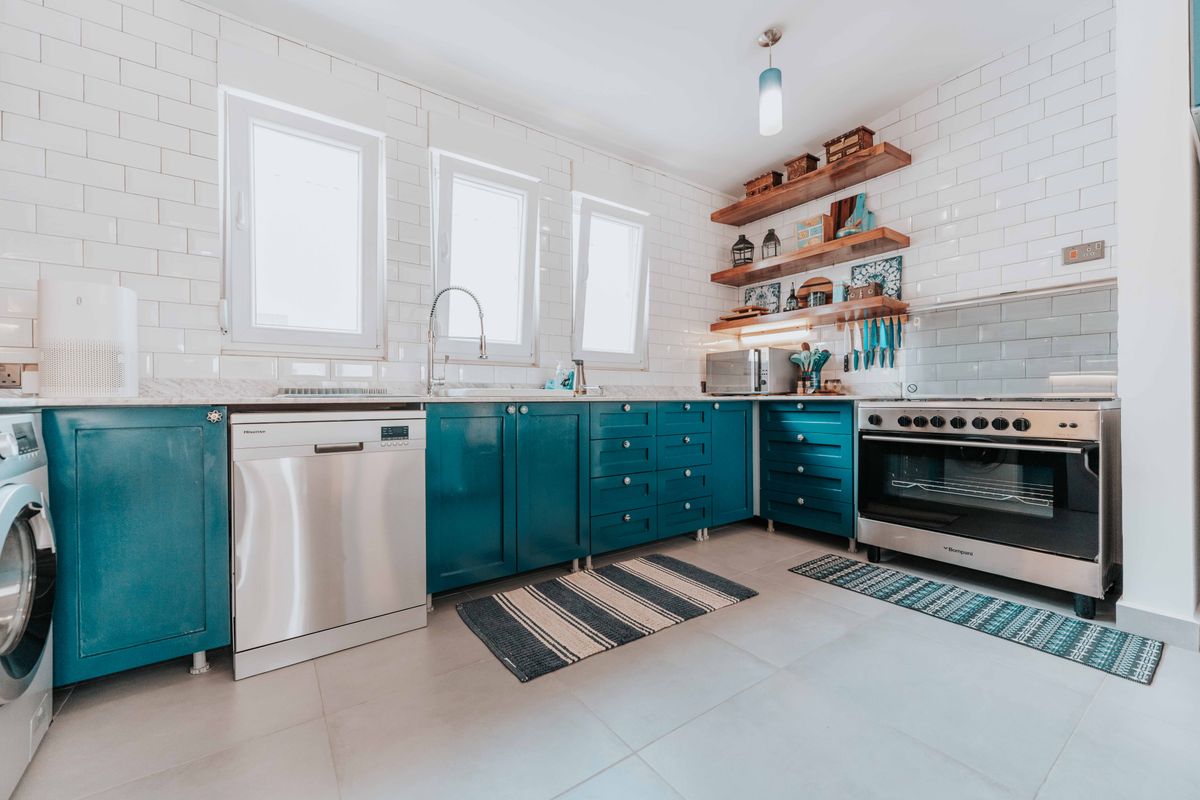
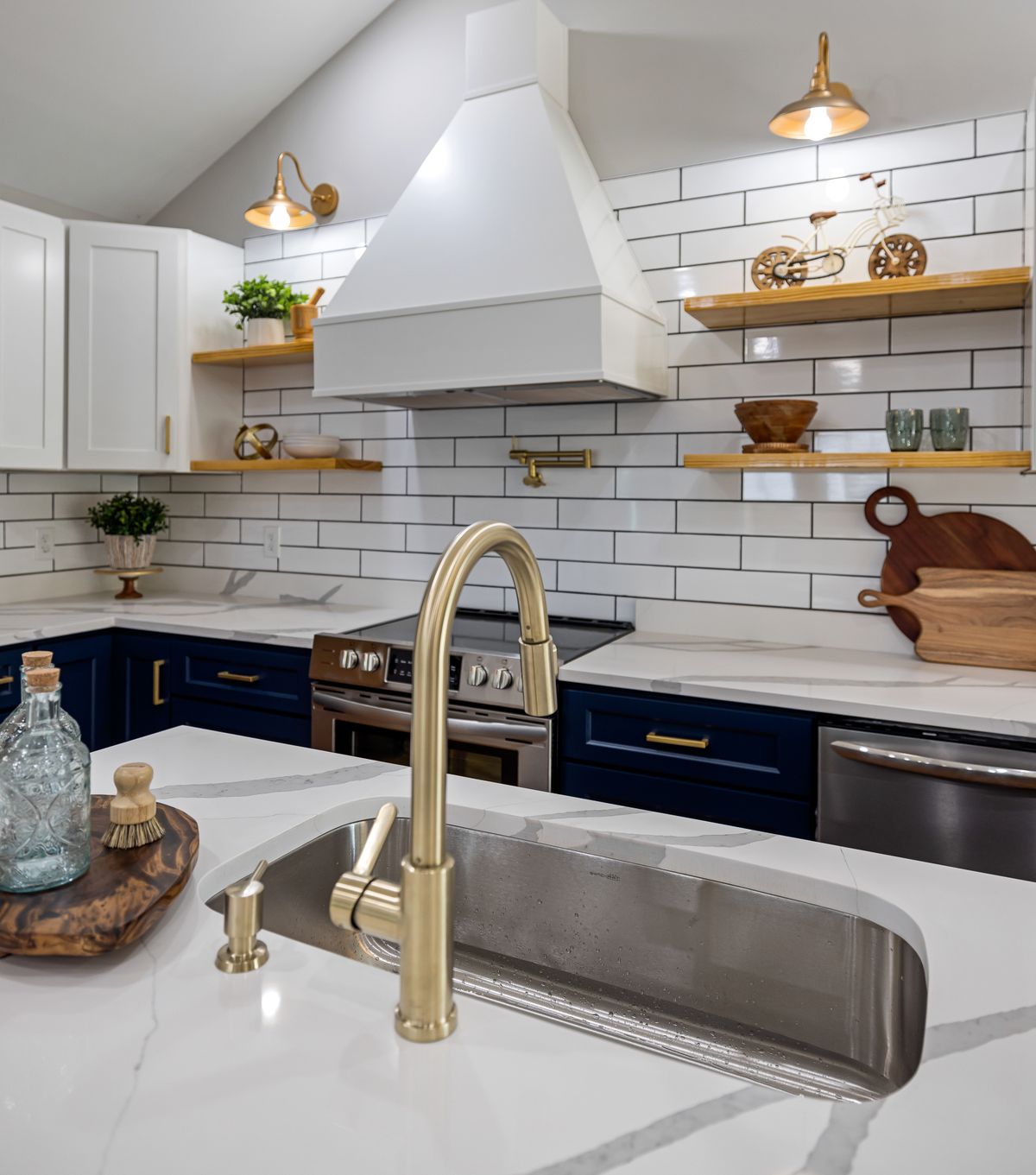
Matching every cabinet to one color is giving way to two-tone kitchens — deep green or navy base cabinets with lighter uppers, or a contrasting island. Colored cabinetry adds personality without the cost of a fully custom kitchen, and it lets you anchor the room around one bold element. For resale-minded homeowners, keeping the uppers neutral and saving the color for the island or lowers is a safe, on-trend middle ground.
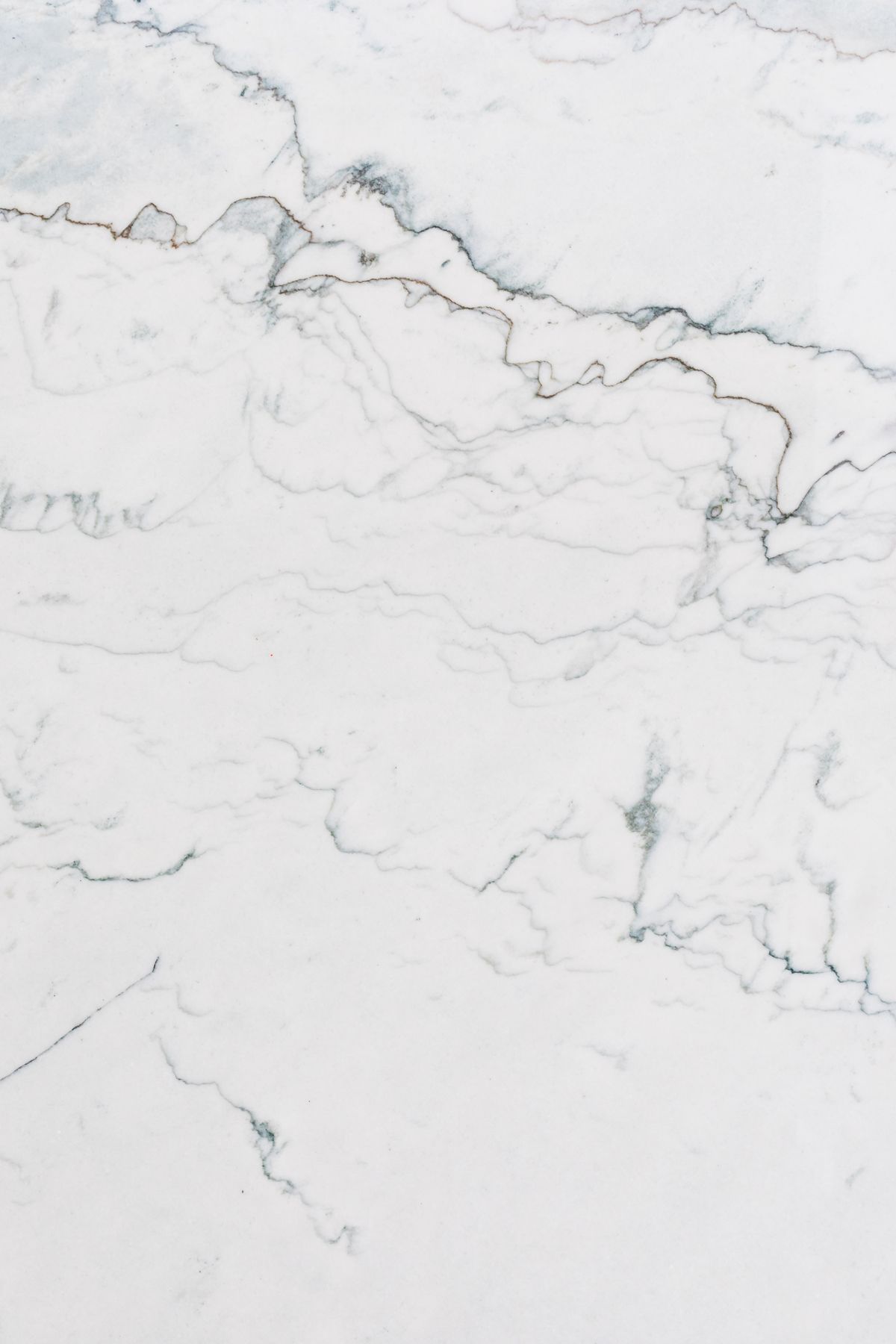
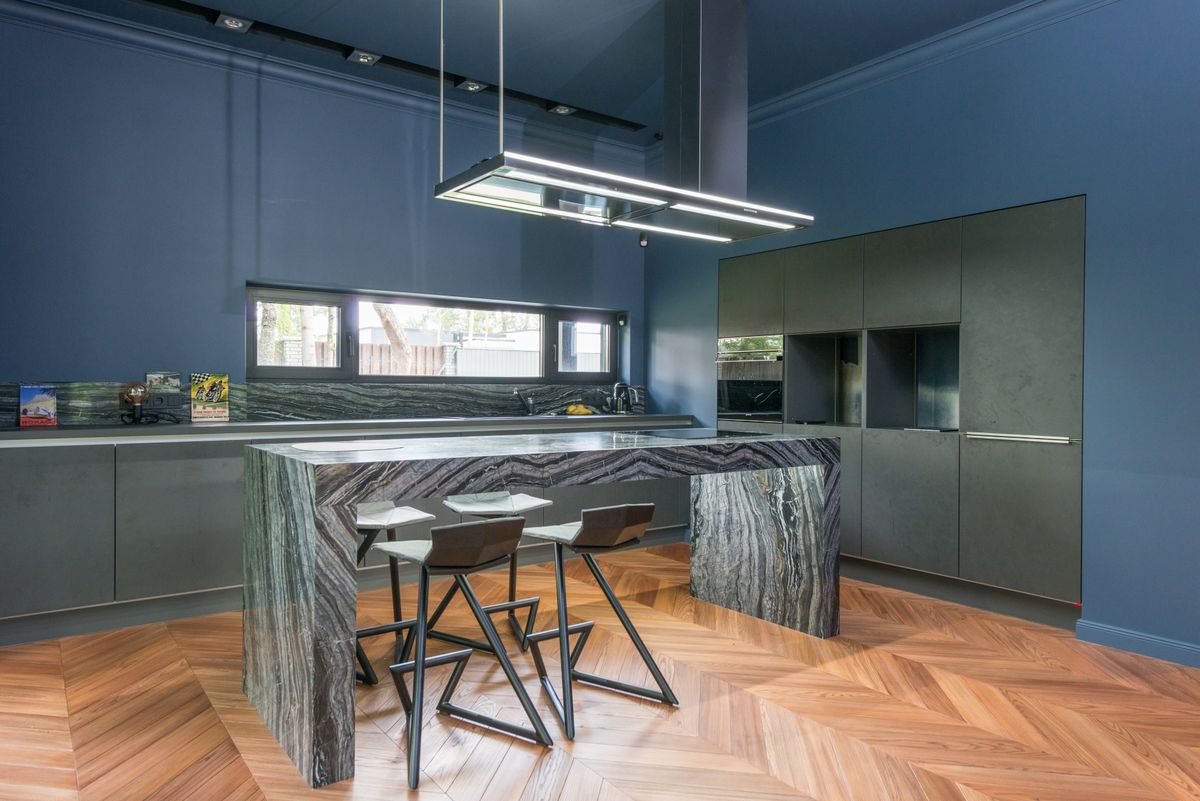
Quartz remains the countertop of choice because it's non-porous, low-maintenance, and stands up to daily use. The look getting the most requests is the waterfall island, where the countertop runs vertically down the sides to the floor. Natural stone like quartzite and honed marble appeal to those who want a higher-end look, though they need more care. For busy Bay Area kitchens, engineered quartz is usually the practical winner.
The island is now the heart of the kitchen, and it's getting larger and more capable. Homeowners want islands that handle prep, seating, storage, and sometimes a second sink or induction cooktop. In open-plan Bay Area homes, a generous island doubles as the dividing line between kitchen and living space. Just keep 42 to 48 inches of clearance around it so the kitchen stays comfortable to work in.
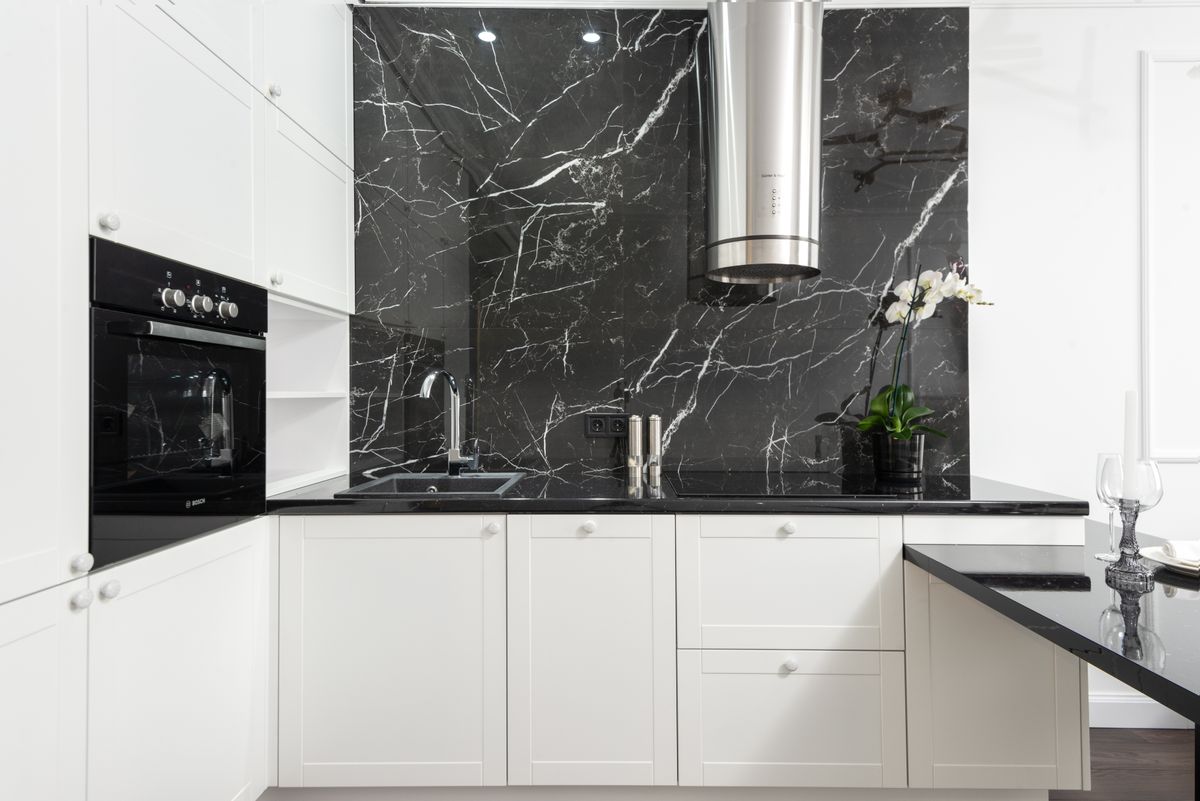
Tile backsplashes are being elevated by full-height slab backsplashes that run the same stone from counter to cabinets or ceiling — a clean, seamless look with fewer grout lines to clean. Paired with a statement range hood in plaster, wood, or metal, the cooking wall becomes the kitchen's focal point. It's one of the highest-impact upgrades in a 2026 remodel.
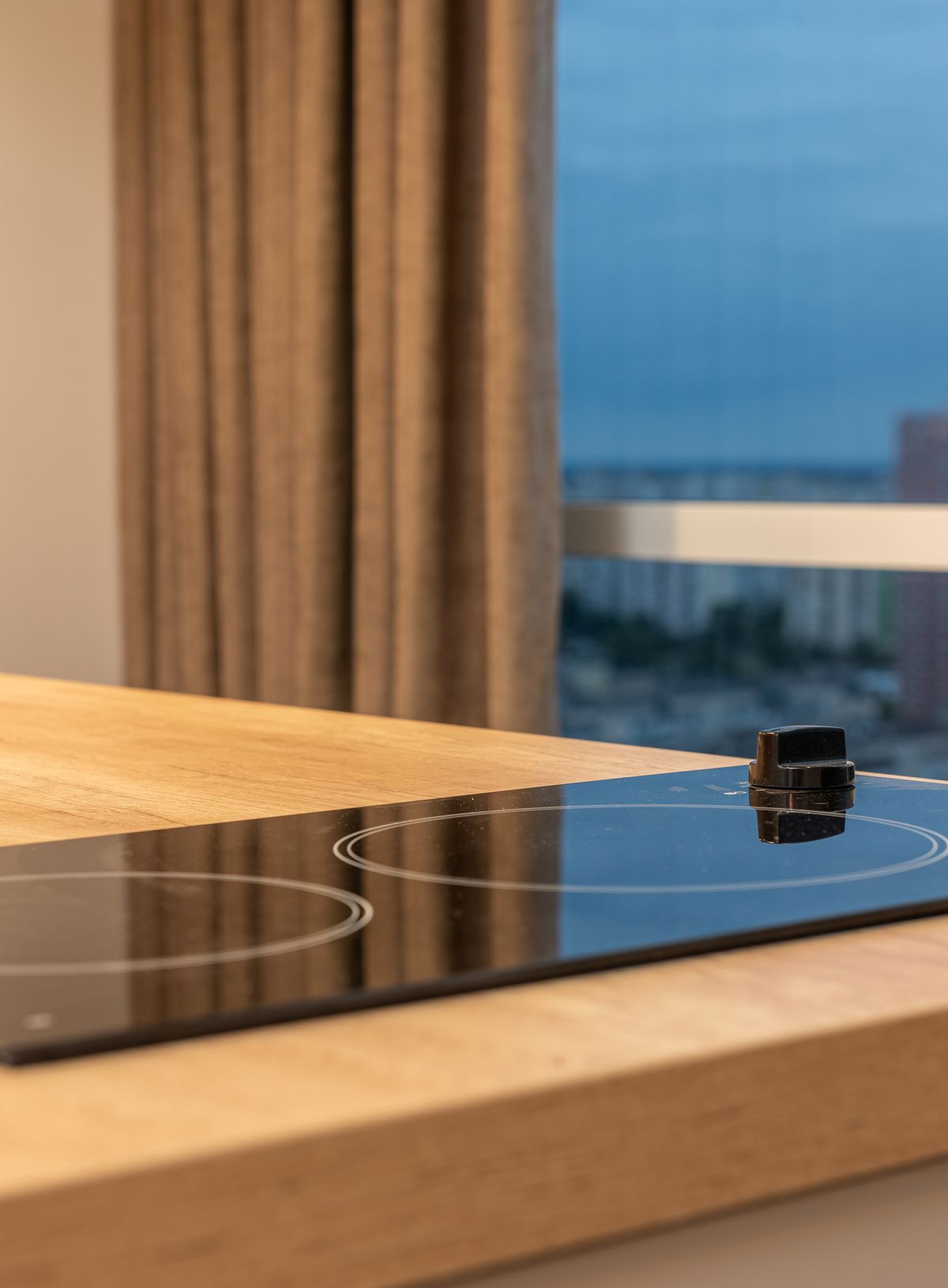
California's push toward electrification is showing up in kitchen design. Induction cooktops are replacing gas for their speed, precise control, safety, and cleaner indoor air. Many Bay Area cities now encourage electric-ready construction, and state and utility rebates can offset the switch. If you're remodeling anyway, it's the right time to plan the electrical capacity an induction range, heat-pump appliances, and EV charging may need.
The all-stainless kitchen is loosening up. In 2026, designers mix metals on purpose — matte black faucets with brass pulls, or warm gold lighting over a stainless range. The trick is one dominant metal and one accent, not four. Fixtures and hardware are the easiest, lowest-cost way to make a kitchen feel current, so they're a smart place to follow the trend.
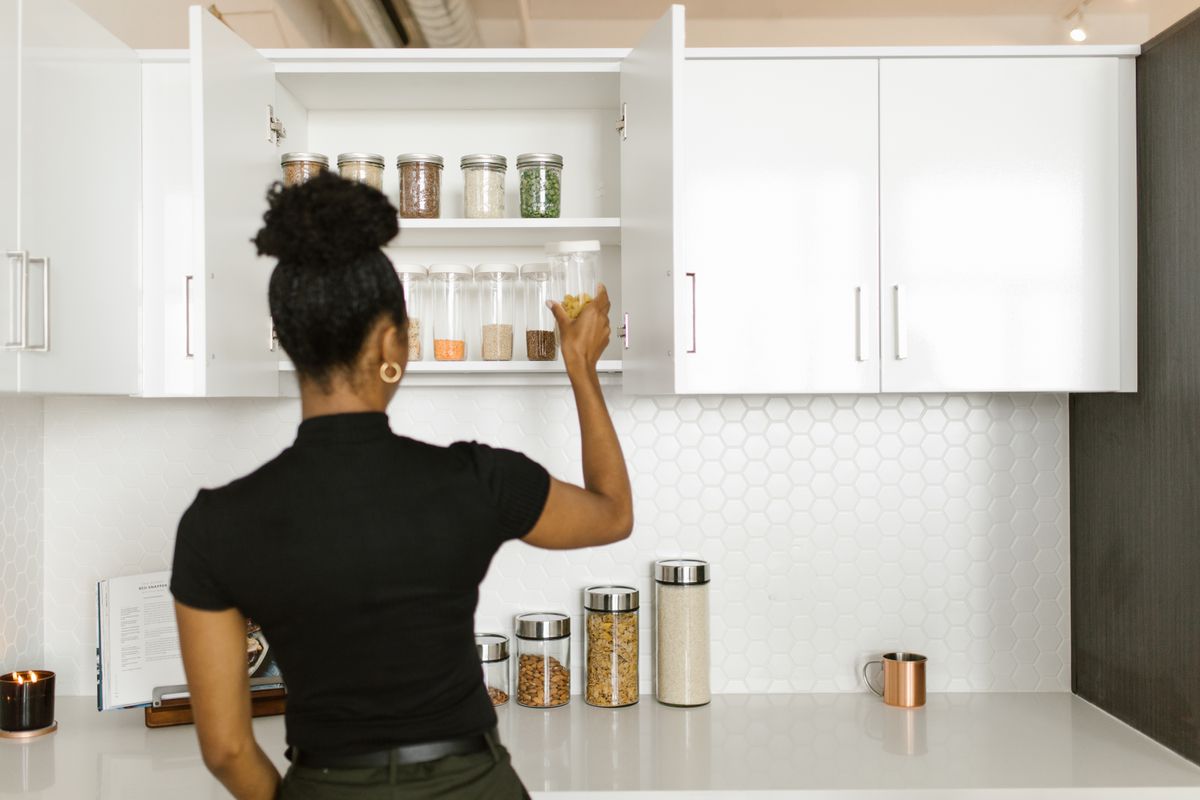
Clutter-free counters define 2026 kitchens — appliance garages to hide the coffee maker, deep pull-out pantries, and panel-ready dishwashers and refrigerators that disappear behind cabinet fronts. For smaller Bay Area kitchens, this integrated storage is what makes a remodel feel custom and calm rather than cramped.
A kitchen remodel in the Bay Area can fit a wide range of budgets, from a light refresh to a full custom build. Local labor and materials do run a little higher than the national average, and some older homes need electrical, plumbing, or layout updates. But the biggest factor in your final cost is simply how much you change and the finishes you choose.
As a rough Bay Area planning guide: a cosmetic refresh — new countertops, cabinet refacing, hardware, paint, and updated lighting — often runs $10,000 to $20,000. A mid-range remodel with new cabinets, quartz counters, and updated appliances typically lands between $25,000 and $55,000. A full remodel with a new layout, some structural or electrical work, and higher-end finishes usually starts around $60,000. These are planning ranges to help you budget, not quotes — every kitchen is different.
The good news is there's room to control the budget at nearly every step. Keeping your existing layout, refacing cabinets instead of replacing them, and choosing durable mid-range materials can bring costs down without giving up the look you want. The biggest cost drivers are moving plumbing, gas, or electrical, changing the layout, and premium finishes — so those are the first places to adjust. The most accurate number always comes from a quick on-site walkthrough, where we can see your kitchen and give you a clear, scoped estimate. Before any of it, the plan itself has to work — our kitchen layout guide covers the work triangle, aisle widths and how big an island really needs to be.
Most Bay Area kitchen remodels take 6 to 12 weeks of active construction once permits are approved, while a full gut remodel with layout changes can run longer. Permit timelines vary by city — some are over-the-counter, others take several weeks — so the full project from design to finish is often 3 to 5 months. We give you a realistic schedule before work begins.
Usually yes. San Jose and most Bay Area cities require a permit once a kitchen remodel involves electrical, plumbing, gas, or structural changes — which most do. Purely cosmetic updates like paint, hardware, or a like-for-like appliance swap typically don't. We handle the permit application and inspections as part of the project.
If your cabinet boxes are solid and the layout works, refacing — new doors, drawer fronts, and veneer — can refresh the kitchen for less. If the boxes are damaged, the layout needs to change, or you want different sizes, full replacement is the better investment. There is a permit angle too: several Bay Area cities require a permit to replace cabinets but not to reface them. We assess your existing cabinets and tell you honestly which makes sense.
For smaller Bay Area kitchens, a galley or L-shaped layout usually makes the best use of space, paired with full-height cabinets, integrated storage, and light, warm finishes to keep it feeling open. A compact island or peninsula can add prep space and seating without crowding the room.
Look for a licensed California contractor (verify the CSLB license number), proof of insurance, local Bay Area references, and clear written estimates. Ask to see completed kitchen projects and confirm who handles permits and inspections. A good contractor walks you through scope, timeline, and cost before you commit to anything.