Planning a bathroom remodel in the Bay Area? Whether you're refreshing a tired hall bath or building a spa-like primary suite, the right choices make the space more functional, more beautiful, and easier to sell later. Here are eight bathroom remodel ideas Bay Area homeowners are asking for in 2026 — with realistic notes on cost, and how each one works in a real San Jose or Peninsula home.
Before choosing finishes, it is worth checking the plan itself: a shower has to enclose a 30-inch circle and the toilet needs its clearances either side. Our small bathroom layout guide covers what fits in a 5×8 and which fixture is the expensive one to move.
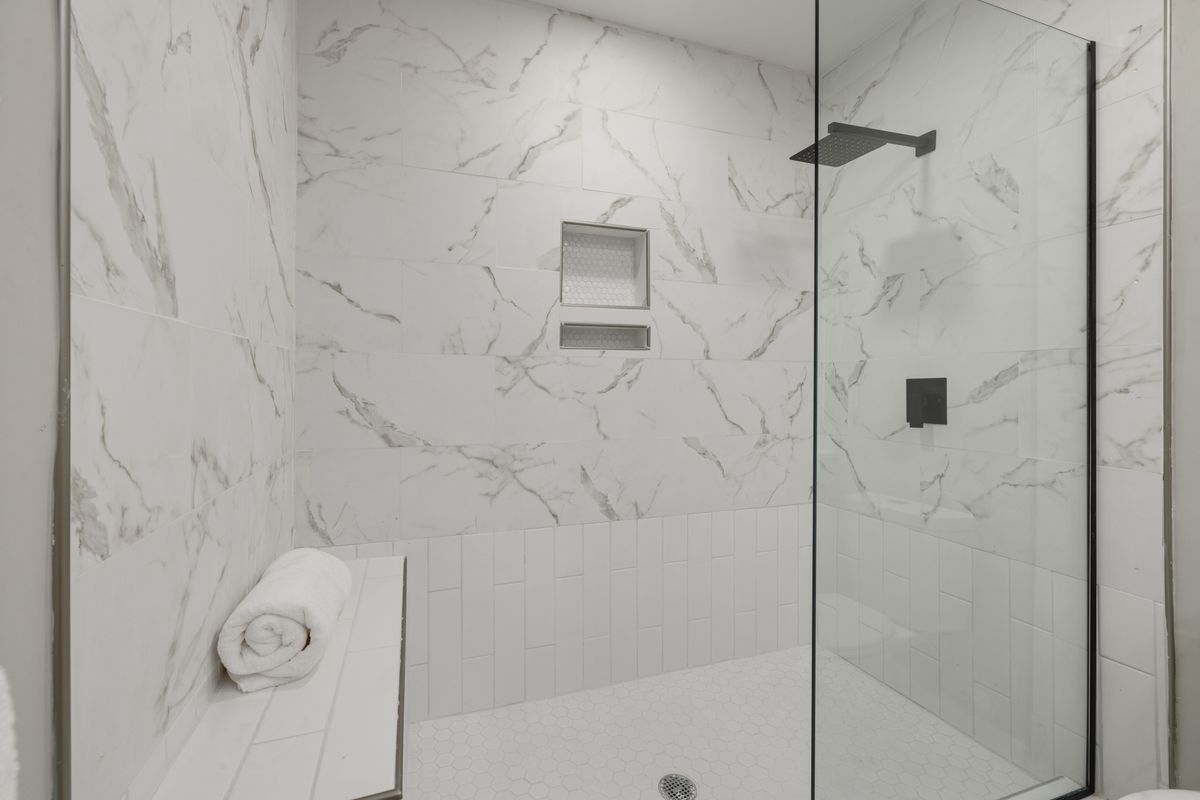
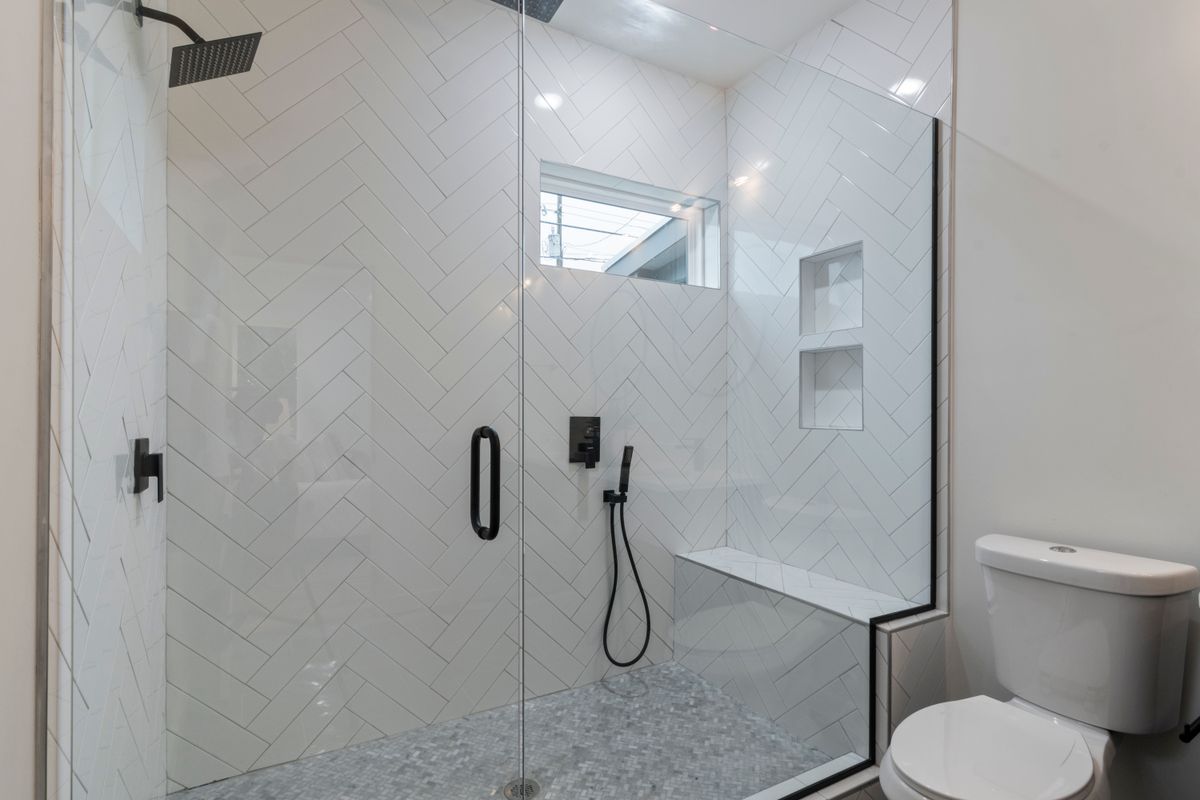
The most-requested bathroom upgrade in 2026 is converting a cramped tub-shower combo into a spacious walk-in shower. A curbless, zero-threshold entry looks clean and modern, makes the room feel bigger, and is far easier to step into. Frameless glass keeps the sight lines open. One tip: if it's your home's only bathtub, keep a tub somewhere in the house for resale — families with young kids still look for it.
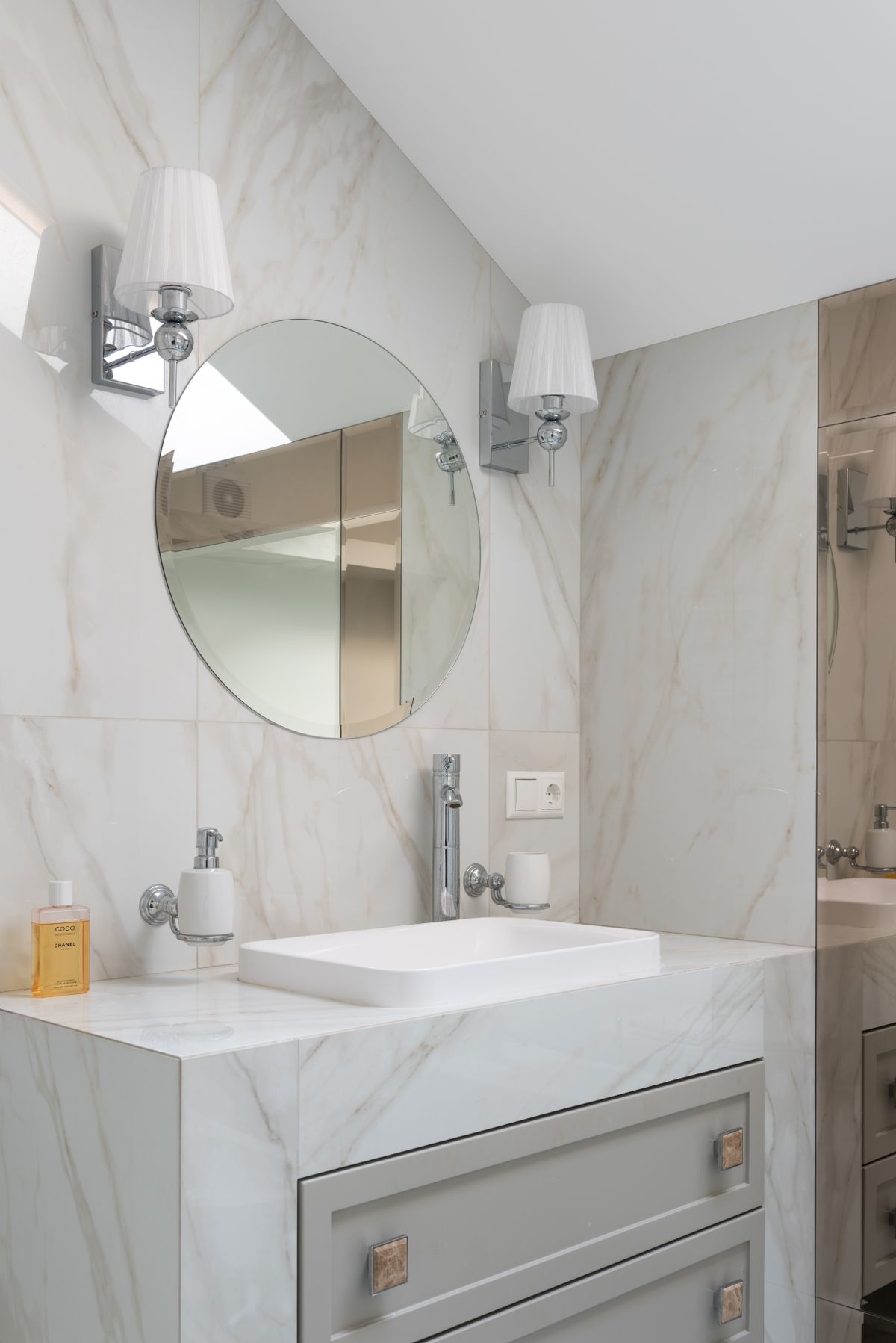
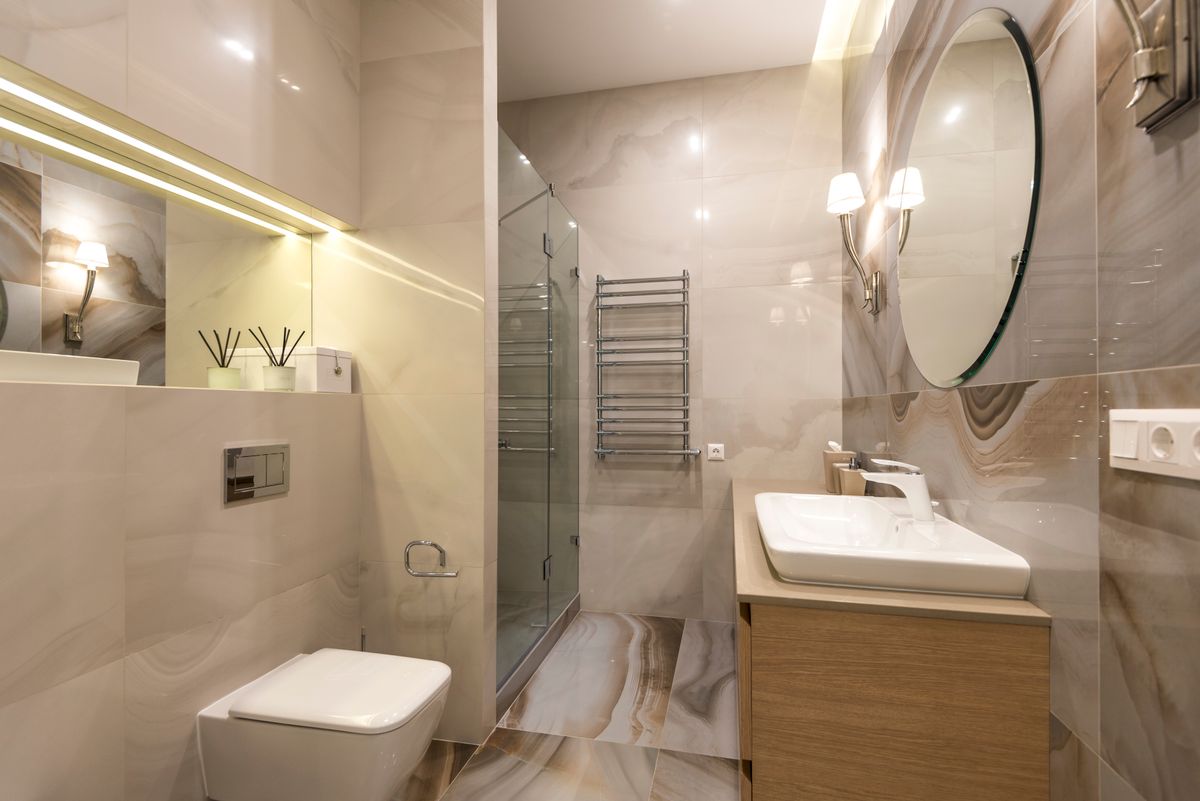
A wall-mounted, floating vanity is one of the fastest ways to make a bathroom feel modern and larger — the open floor underneath tricks the eye into seeing more space. Choose drawers over doors for easier storage, and add a double vanity in primary baths where two people share the morning routine.
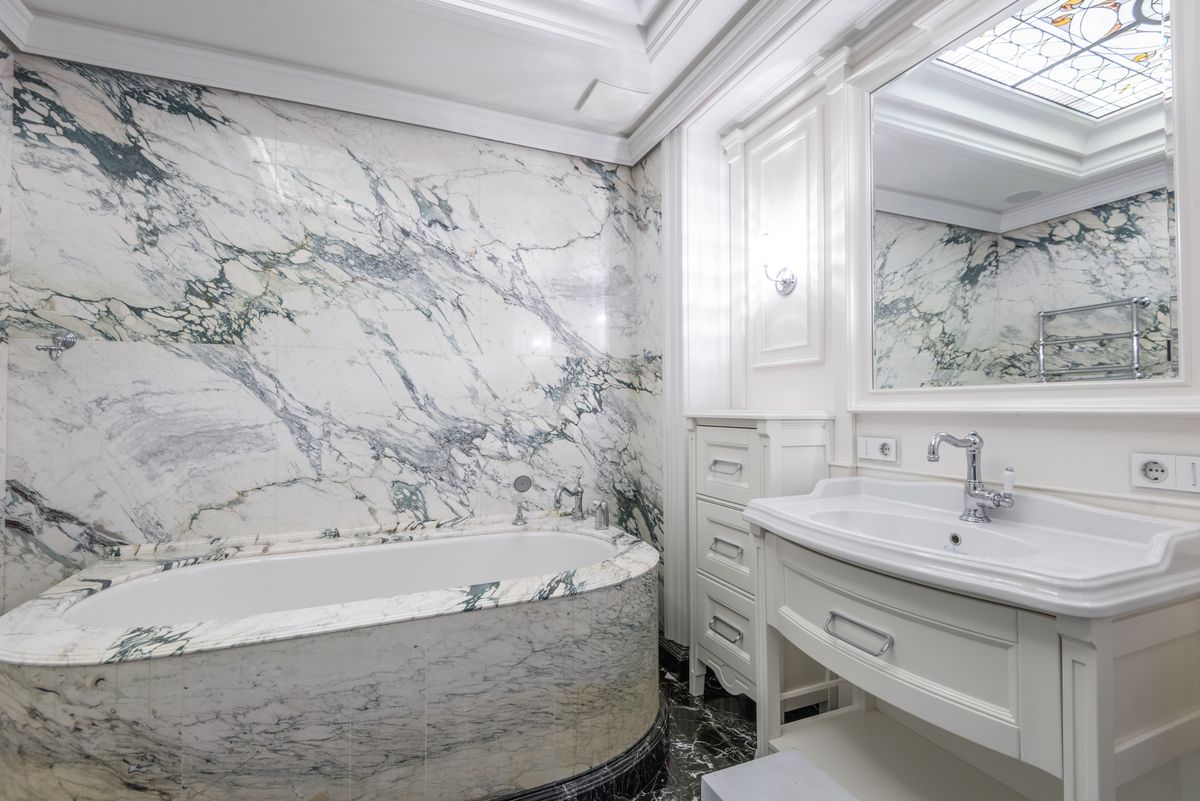
Big tiles are in and tiny tiles are out. Large-format porcelain means fewer grout lines — less scrubbing and a calmer, more seamless look. Many Bay Area homeowners are running the same tile from the shower floor to the ceiling for a spa feel, and picking porcelain that mimics marble or natural stone for the look without the upkeep.
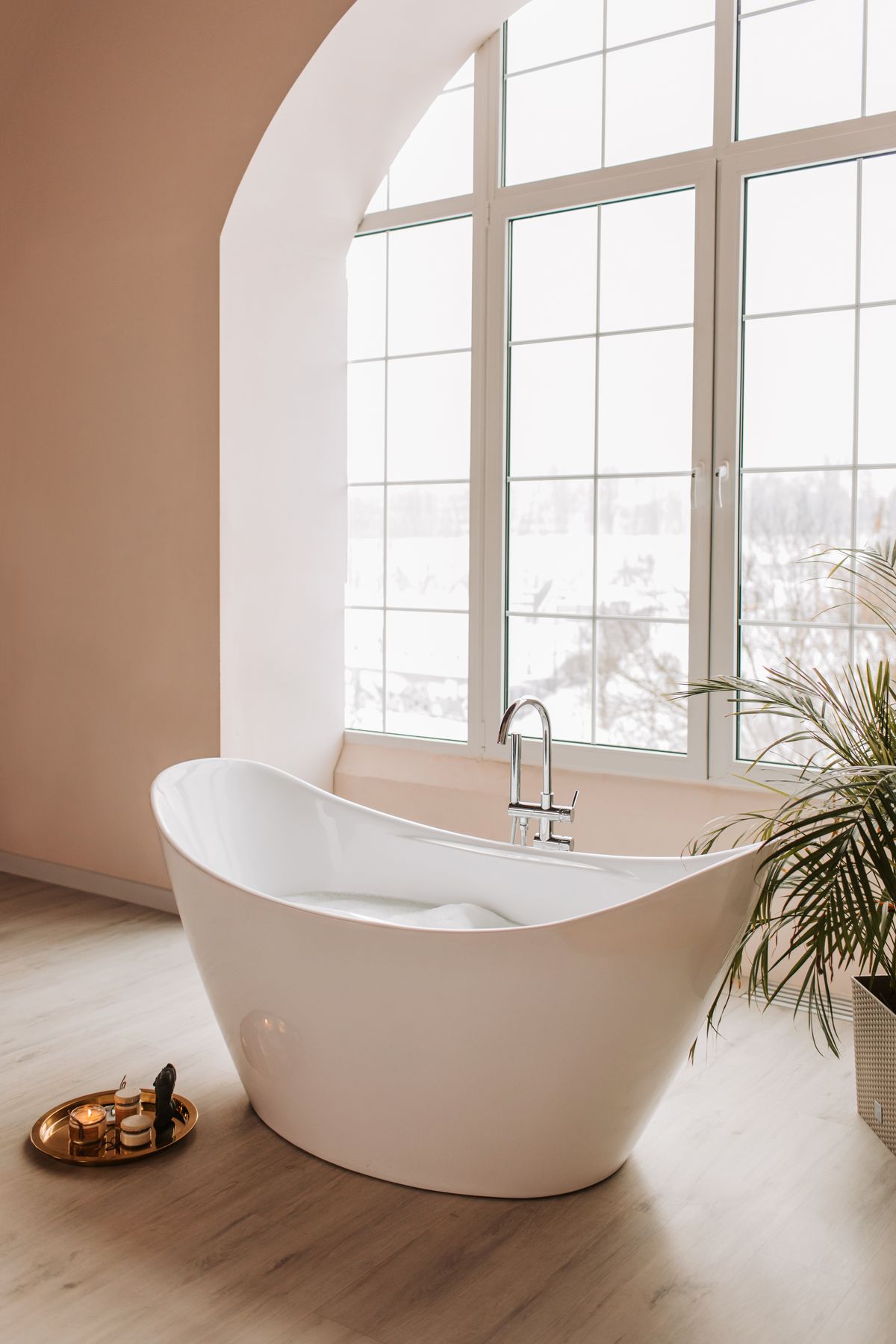
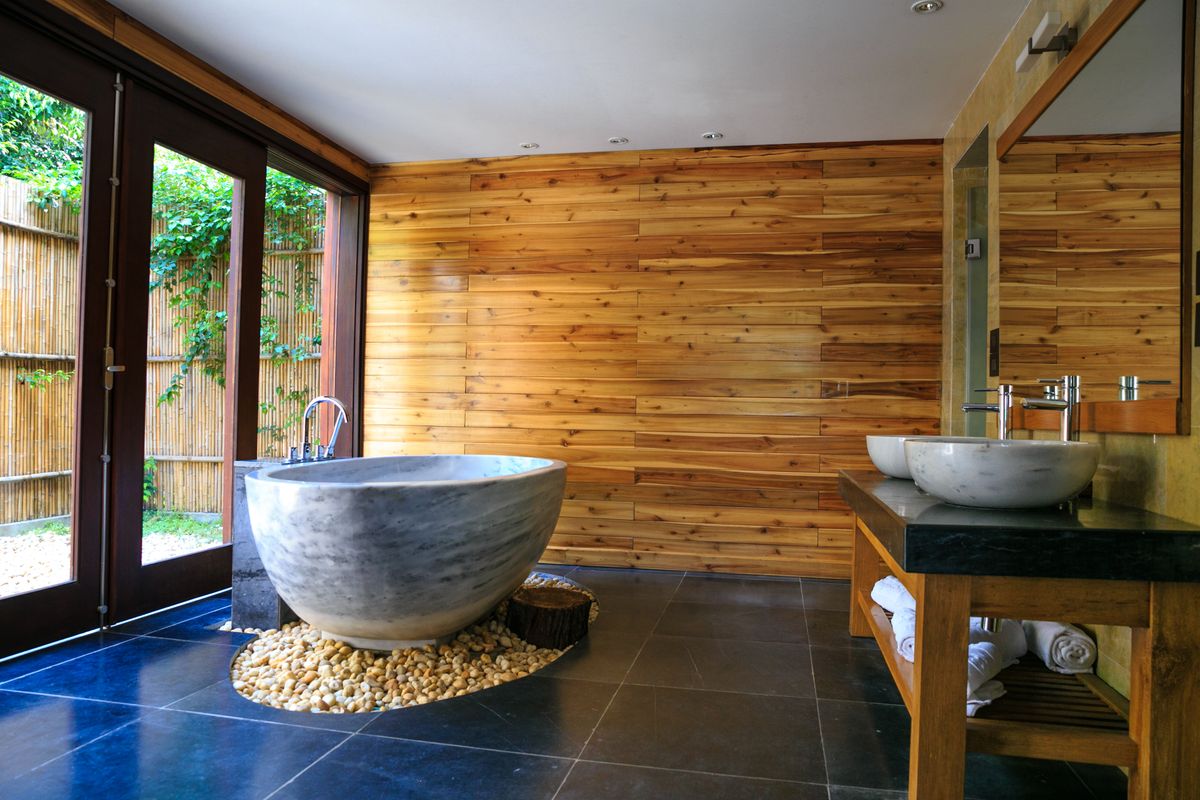
Where there's room, a freestanding soaking tub becomes the centerpiece of a primary bathroom. It reads as a spa upgrade and photographs beautifully for resale. In tighter Bay Area bathrooms, a compact freestanding tub or a well-designed walk-in shower is often the smarter use of space — we help you decide what actually fits your room.
Cold, all-white bathrooms are giving way to warm, calming palettes — soft greens, warm neutrals, natural wood vanities, and stone-look surfaces. The goal is a spa-at-home feeling. Warm tones also hide water spots and everyday wear better than stark white.
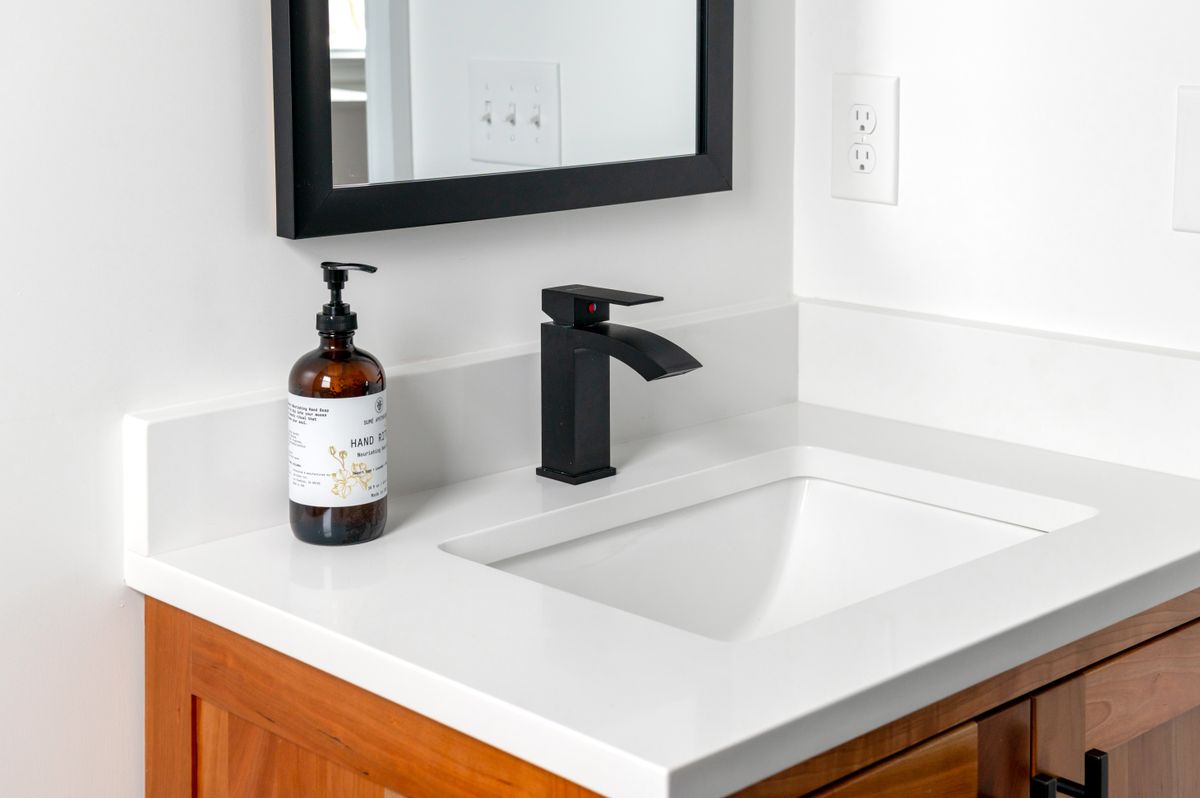
Fixtures are the jewelry of the bathroom, and in 2026 they're getting bolder — matte black faucets and shower systems, brushed brass, or a deliberate mix of the two. Swapping fixtures, hardware, and lighting is one of the lowest-cost ways to make a bathroom feel current, so it's a great place to follow the trend without a full remodel.
Two upgrades homeowners never regret: radiant heated floors under the tile — a small add-on during a remodel that feels luxurious every morning — and a properly sized, quiet exhaust fan. Good ventilation is the unsung hero of a bathroom: it protects all your new finishes from moisture, mold, and premature wear.
More Bay Area homeowners are future-proofing their bathrooms — curbless showers, comfort-height toilets, blocking added inside the walls for grab bars (even if the bars go in later), and a built-in bench seat. It's especially popular in multigenerational homes, and it makes the bathroom safer and more comfortable for everyone, at any age.
A bathroom remodel in the Bay Area can fit a lot of budgets, depending on the size of the room and how much you change. Local labor and materials run a little higher than the national average, and older homes sometimes need plumbing or electrical updates behind the walls. But the biggest factors are simply the size of the bathroom and the finishes you choose.
As a rough Bay Area planning guide: a cosmetic refresh — new vanity, toilet, fixtures, lighting, and paint — often runs $8,000 to $15,000. A mid-range full remodel with a new walk-in shower, tile, vanity, and flooring typically lands between $18,000 and $38,000. A large primary bath with premium finishes and custom tile generally starts around $40,000. Converting a tub to a walk-in shower as a stand-alone project usually runs $5,000 to $12,000. These are planning ranges to help you budget, not quotes.
The good news is there's room to control the budget. Keeping fixtures in their existing locations, choosing porcelain over natural stone, and reusing a sound layout can bring costs down without giving up the look you want. The biggest cost drivers are moving plumbing, the amount and complexity of the tile work, and premium finishes. The most accurate number always comes from a quick on-site walkthrough.
A typical bathroom remodel takes about 3 to 5 weeks of active construction once permits are approved, depending on the size and scope. A simple refresh can be faster; a full primary bath with custom tile takes longer. Because tile, waterproofing, and inspections can't be rushed, we build a realistic schedule into every project.
Usually yes, once the work involves plumbing, electrical, or moving walls — which most bathroom remodels do. Cosmetic swaps like a new vanity top, mirror, or paint often don't. San Jose and most Bay Area cities require permits and inspections for the plumbing and waterproofing, and we handle those as part of the project.
If you have more than one bathroom, converting your main bath to a walk-in shower is popular and works well day to day. But keep at least one bathtub somewhere in the house — buyers with young children look for it. In a single-bathroom home, we usually recommend keeping a tub, either as a tub-shower combination or a shower paired with a compact soaking tub.
Waterproofing is the most important part of a bathroom remodel, and it's the part you can't see once it's done. We install a proper waterproof membrane behind the tile, slope the shower correctly to the drain, and seal every transition. Cutting corners here is the number-one cause of failed bathrooms, so it's where quality really matters.
Porcelain tile is the most durable and water-resistant choice, and it can mimic wood or stone. Luxury vinyl plank is a budget-friendly, water-resistant alternative that feels warmer underfoot. We generally steer homeowners away from natural hardwood in bathrooms, since moisture shortens its life.